Commercial Waste in Cranford

Commercial waste in Cranford needs a practical, organised approach, especially when businesses want regular collections, one-off clearances, or a cleaner way to manage mixed materials. This service focuses on the removal of everyday trade waste, bulky items, recyclables, and other non-domestic rubbish from premises in and around Cranford. The aim is to keep collections straightforward, reduce disruption, and make disposal easier to plan for offices, shops, workshops, and other business spaces.
We support customers who need reliable commercial waste removal with sensible handling for different waste streams. That can include general business rubbish, office contents, furniture, packaging, and selected specialist loads where the correct disposal route is available. If you are comparing options, our service pages below explain the main categories in more detail, including office clearance, business waste removal, and related disposal work. Use the information here to decide what suits your site, then ask for a quotation when you are ready.
For businesses that want a simple starting point, the best approach is to match the waste type to the right service rather than treating every load the same. Some jobs are best arranged as an ongoing waste collection, while others are more suitable as a clearance visit. A clear description of the materials, access, and quantity helps us plan the work properly. If you already know what you need, you can request a quote once you have reviewed the service pages that fit your situation.
Business waste removal for day-to-day operations
Business waste removal is usually the right choice for premises that produce regular rubbish from normal trading activity. This can cover mixed non-hazardous waste from offices, retail units, storage rooms, and small workplaces. It is a practical option when bins, bags, and loose materials are building up and you want a dependable way to clear them without interrupting the working day. The service is designed to handle routine waste that does not need a specialist disposal route.
For many customers, the key decision is whether the waste is regular enough for a repeat arrangement or whether it is a single clearance after a tidy-up, refit, or move. The business waste removal page is a useful place to compare that kind of work with wider commercial clearance. It helps to think about what the site produces most often: paper, packaging, broken fixtures, obsolete office items, or miscellaneous rubbish from a back room or store area. Pricing and quotes can then be discussed from a clear description rather than a vague estimate.
When preparing for any business waste visit, keep the focus on the actual material rather than over-explaining the history of the job. A short list of the main item types is enough in many cases. If the waste includes bulky items or mixed contents, say so plainly. Clear detail improves planning, especially where access is tight, the load is spread across several rooms, or certain items need separate handling. For a straightforward enquiry, a concise message is often the most efficient way to begin.
Office clearance and internal contents

Office clearance is suited to workspaces that need desks, chairs, filing items, cabinets, monitors, or general office contents removed in a controlled way. It is often used during downsizing, refurbishing, relocation, or a general reset of storage and working areas. The service can also help where older furniture and paperwork-related items are taking up space that should be used more effectively. The exact scope depends on what is being cleared and how it needs to be handled.
The office clearance page is the best fit when you want to look at how interior items can be removed from a business setting as a single job rather than as ongoing waste collection. For items that are no longer needed but are still mixed with usable equipment, it is worth being specific about what remains in the building and what should go. If documents are involved, the confidential shredding service may also be relevant for material that requires secure destruction instead of ordinary disposal.
Office clearances often work best when the customer separates what should stay from what should leave before the visit. That does not require a full inventory unless the job is large, but it is useful to identify any sensitive paperwork, power cables, screens, or items with multiple parts. Good separation saves time and reduces the risk of items being missed. If you are arranging a clear-out after a change in staffing or layout, ask for a quotation that reflects the actual contents rather than a generic room count.
Furniture, fixtures and bulky items
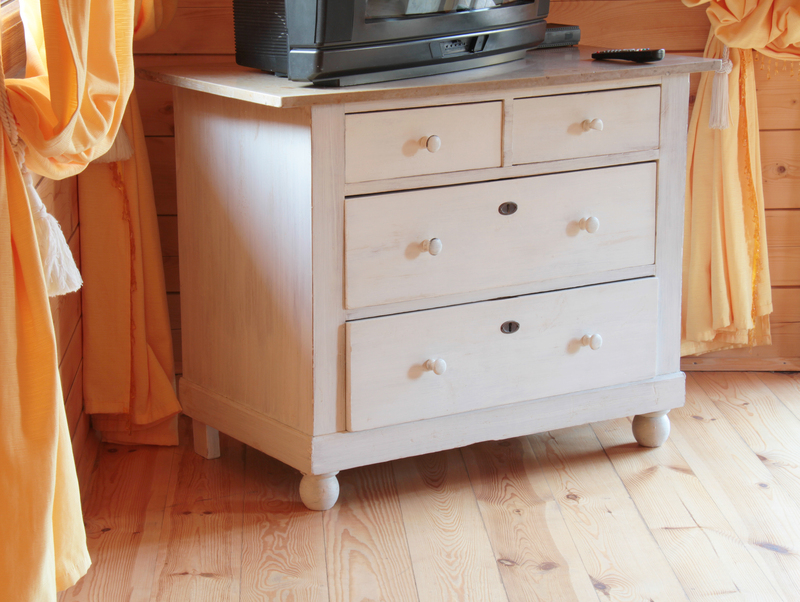
Commercial premises often end up with furniture that is still solid but no longer suitable for the way the business works. Desks, shelving, chairs, reception pieces, cabinets, and other bulky items can take up valuable space and complicate refurbishment or relocation. This service covers the removal of those larger pieces where a normal bin collection is not appropriate. It is especially useful when the items are too heavy, awkward, or numerous to deal with in-house.
The furniture clearance page is helpful if the main issue is interior furniture rather than mixed waste. Where the items are mainly unusable or must be broken down for disposal, the furniture disposal page provides another relevant route. For seating and sleeping items from mixed premises or hospitality settings, the mattress and sofa disposal option may be the more accurate match. Choosing the closest service makes it easier to describe the load and avoids unnecessary confusion.
Bulky-item removal is not only about size; the practical question is how the furniture leaves the property. Narrow corridors, lifts, shared entrances, and upper floors all matter. If a piece needs disassembly before removal, mention that in your enquiry. Where several categories of item are involved, it is better to describe them together in one clear message than to split the same job across several vague notes. One accurate summary is usually enough to begin a quotation.
Clearance of back rooms, storage areas and mixed contents
Many business premises have areas that gradually fill with surplus stock, broken equipment, old promotional materials, and general clutter. Garage-style storage rooms, basement spaces, cupboards, and spare stock areas can all accumulate waste that does not belong in routine collection. A clearance visit is useful when the material is mixed and the priority is to remove a broad range of unwanted contents from one location. The work is usually more efficient when the load is grouped sensibly before arrival.
The garage clearance page is relevant where a storage area contains mixed business items rather than simple bagged rubbish. If the job is part of a larger cleanout of an entire property or an emptying of a work-related space, you may also want to review home clearance or house clearance only where those page types genuinely fit the setting. For commercial premises, the more exact service match is usually better, because it keeps expectations clear.
These jobs are often straightforward once the materials are grouped by type. Keep heavy items separate from loose bags where possible, and make any access constraints clear. If there are materials that must not be moved together, say so directly. A measured description of what is present helps us plan capacity, loading, and disposal routes more accurately. If the space contains a mixture of old stock, broken furnishings, and general rubbish, that variety should be reflected in the quotation request.
Specialist disposal for items that need extra care
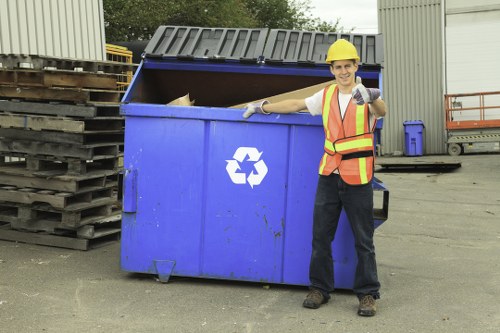
Some business waste cannot be handled as ordinary mixed rubbish. Appliances, selected hazardous materials, and item types that need special treatment must be separated and routed correctly. This is particularly important where a premise is upgrading equipment, clearing a staff area, or disposing of contents that are not suitable for standard collection. The goal is to direct each item through the right disposal method and avoid mixing it with general waste.
The fridge and appliance removal page suits items such as old cooling units or electrical appliances that should be taken away as a distinct category. Where the load includes materials that require a stricter process, the hazardous waste disposal page is the appropriate point of reference. You should only use specialist disposal when the material genuinely needs it, because separating these jobs accurately helps keep the process safe and organised.
As a rule, the most useful information is what the item is, how many there are, where they are located, and whether they are still connected or built in. If an appliance has to be removed from a tight space, that is worth saying; if a load includes anything uncertain, identify it rather than guessing. Correct classification matters more than long explanations. When you are unsure whether an item belongs in general commercial waste or a specialist category, ask for guidance with the exact item name.
Builders waste and fit-out clearances
Commercial premises often produce waste after repairs, fit-outs, maintenance, or minor refurbishment work. That can include offcuts, packaging, broken fixtures, dust-related debris, and other non-hazardous building waste left behind after the trade work is complete. This service is useful when the priority is to clear the site so the space can be used, handed over, or finished cleanly. It is not the same as general business rubbish, because the contents are usually heavier and more mixed.
The builders waste clearance page is the main destination for this kind of job. If the project has also generated ordinary office rubbish or furniture that no longer belongs on site, it may be worth combining the practical details into one quotation request so the waste can be assessed together. The key point is to identify whether the load is mostly construction-related material, mixed commercial contents, or a combination of both.
For these clearances, access and loading conditions matter as much as the volume of waste. Ground-floor access is different from upper-floor work, and a pile of bagged rubble is different from loose broken fittings. If there are sharp edges, dust-heavy material, or awkward items among the waste, mention that early. That helps keep the job realistic and avoids unnecessary delay when the collection is arranged. A concise note about the materials, not a general description of the project, is usually enough to start.
Recycling, reuse and responsible disposal choices

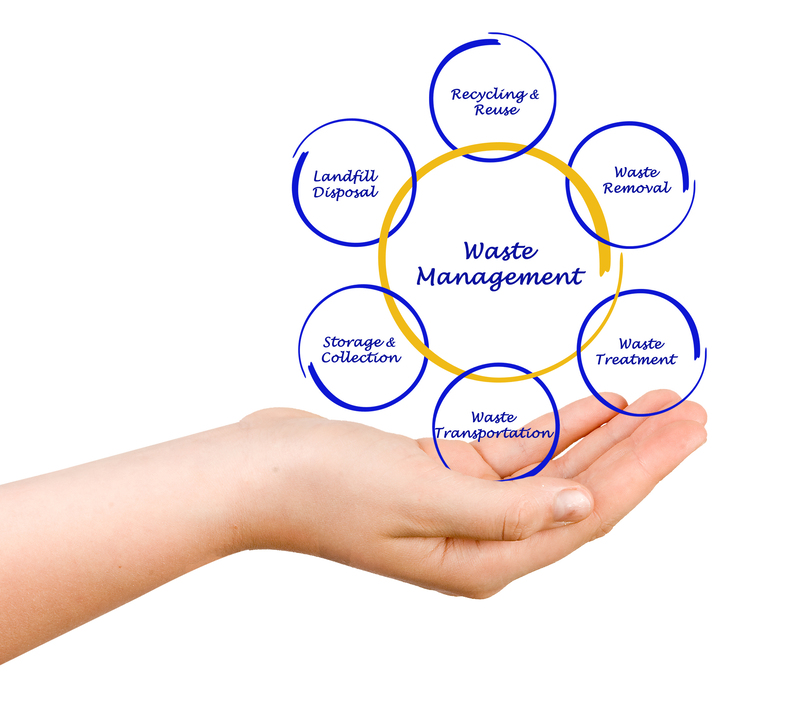
Commercial waste management is not only about taking items away; it is also about choosing sensible routes for recycling and disposal where those routes are available. Mixed waste streams can contain cardboard, metal, plastics, office items, appliances, and other materials that may need to be separated before final disposal. The more accurately a load is described, the easier it is to direct each part to the right destination. This is especially relevant where the same site produces several types of waste.
The recycling and sustainability page is useful for customers who want to understand how the business approaches material recovery and waste separation. It sits well alongside the main removal services because many commercial clearances involve a mixture of recyclable and non-recyclable material. If your priority is to remove waste responsibly without overcomplicating the job, ask which parts can be separated in advance and which parts are better dealt with during the collection itself.
Some business owners prefer to think in categories before they request a quotation: reusable items, recyclable items, confidential material, specialist items, and general waste. That simple framework can make an enquiry more precise. It also helps when the site contains a bit of everything and the exact proportions are not obvious. The purpose is not to create extra admin, only to make sure the waste is handled in the most practical way. If you want to move ahead, you can ask for a quotation with the materials listed as clearly as possible.
Pricing factors, access and quotation details
Commercial waste costs are usually shaped by the type of material, the quantity, the complexity of loading, and any specialist handling that is required. A collection of mixed office rubbish is different from a load of bulky furniture or construction offcuts, and each has its own practical implications. The most useful enquiries are specific enough to show whether the job is routine, awkward, heavy, delicate, or a blend of several waste types. That is what makes a quotation meaningful.
The pricing and quotes page gives a clear place to review the way quotations are approached across the site. When you request one, it helps to note the location of the waste within the premises, whether there are stairs or shared entrances, and whether any item needs dismantling before removal. These details are not a substitute for a proper assessment, but they help produce a more accurate reply and reduce the need for back-and-forth clarification.
A quotation request does not need to be long. In many cases, three things are enough: what needs removing, where it is, and how much there is. If you have photographs or a rough list, that can help, but the important part is clarity. Keep the message focused on the actual waste so the response can focus on the right service. For a straightforward next step, send the key details and ask for a price.
About Cranford
Cranford is a district in the London Borough of Hounslow, positioned on the western side of London near the boundary with the Borough of Hillingdon. The area is closely associated with the River Crane, whose route has shaped local green space and movement through the district, and with the transport corridors that pass nearby, including the Heathrow area to the west and the roads linking the town centres of West London. Cranford’s name appears in historical records long before the modern borough system, and the district has long been linked to the landscape of Middlesex. Today it is a mainly residential area with local shopping streets, schools and community facilities interwoven with older routes and open space. Parts of the area retain a suburban pattern of streets, while the wider setting includes a mixture of major roads, parkland and the built edges of neighbouring districts. Cranford Park is one of the best-known local open spaces, offering a formal landscape with mature trees, historic structures and views that contrast with the surrounding urban fabric. The district also sits within a broader pattern of west London development shaped by transport, airport-related growth and the changing use of land over time. Although Cranford is not a large centre, it has a distinct identity that comes from its location between established suburban neighbourhoods, waterways and key routes across the capital. That combination of urban edge, local green space and historic reference points gives the area a character that is recognisable even within the larger setting of Hounslow.
How to plan a commercial clearance in Cranford
When you are planning a clearance, it helps to think about the site as a working space rather than just a pile of waste. Businesses often have several categories of material at once, and the best results usually come from keeping those categories clear from the outset. General rubbish, furniture, appliances, confidential items and building waste can all need different handling. If you have already reviewed the service pages, the next step is to decide which category is dominant and which items are secondary.
For mixed jobs, a small amount of preparation can make the process simpler without turning it into a major task. Set aside anything that is staying on site, make sure access routes are clear where possible, and note any items that must be treated separately. If you are dealing with a premises changeover, it can also be helpful to identify which rooms or storage zones should be emptied first. That makes the quotation more accurate and the removal more practical.
Ready to move ahead? Contact us with your waste type, location, and a brief description of the load, and ask for a quotation based on the work that needs doing.