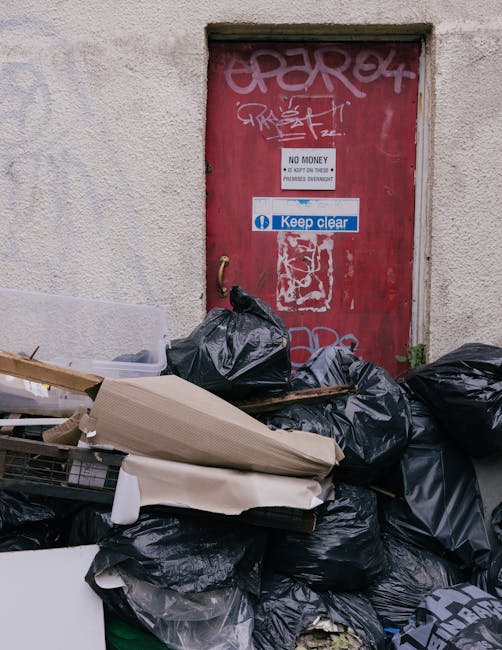
Cranford rubbish collection guide Bath Road and TW5
If you live, work, or manage a property around Bath Road or anywhere in TW5, rubbish can build up faster than you expect. One delivery turns into cardboard mountains. A quick refurb leaves broken tiles, timber offcuts, and dust everywhere. Even a normal clear-out can suddenly feel like a bigger job than the room itself. This Cranford rubbish collection guide Bath Road and TW5 is here to make the process feel simpler, calmer, and much more manageable.
The aim is straightforward: help you understand what kind of waste you have, how collection usually works, what to watch out for, and how to choose the right disposal route without wasting time or money. Let's face it, nobody wants bins overflowing on a busy road or loose waste sitting around a flat block for days. You want it gone, properly and responsibly, with as little fuss as possible.
Along the way, we'll cover practical steps, common mistakes, and the sort of local details that matter in real life. If you need broader support for different waste types, it can also help to look at the site's general waste removal service, or the more specific options for house clearance, office clearance, and builders waste clearance.
- Understand what counts as rubbish collection in a local Cranford setting
- Compare the best disposal methods for homes, landlords, and businesses
- Avoid compliance mistakes with bulky, mixed, or hazardous waste
- Plan a collection that is tidy, efficient, and cost-aware
Quick takeaway: the best rubbish collection plan is the one that matches the type, volume, and urgency of the waste. Sounds obvious, but it saves a lot of awkward second trips, missed items, and last-minute stress.
Table of Contents
- Why Cranford rubbish collection guide Bath Road and TW5 Matters
- How Cranford rubbish collection guide Bath Road and TW5 Works
- Key Benefits and Practical Advantages
- Who This Is For and When It Makes Sense
- Step-by-Step Guidance
- Expert Tips for Better Results
- Common Mistakes to Avoid
- Tools, Resources and Recommendations
- Law, Compliance, Standards, or Best Practice
- Options, Methods, or Comparison Table
- Case Study or Real-World Example
- Practical Checklist
- Conclusion
- Frequently Asked Questions
Why Cranford rubbish collection guide Bath Road and TW5 Matters
Bath Road and the wider TW5 area sit in a part of west London where space is often at a premium. That matters more than people think. A pile of rubbish outside a terraced house, a shop unit, a shared driveway, or a small office quickly becomes a practical problem, not just an eyesore. It can affect access, create odours, attract complaints, and make the whole property feel harder to manage.
For households, the challenge is usually a mix of everyday waste and bulky items. For businesses, it may be packaging, old stock, office furniture, or trade waste from fit-outs and maintenance. For landlords and agents, timing is often the real headache. You may need a fast turnaround between tenancies, and there is rarely room for delay.
What makes local rubbish collection particularly important in Cranford is that waste rarely appears in one neat category. A single job can include bagged rubbish, broken furniture, appliance waste, and a few awkward items that need special handling. If you treat all waste the same, you can end up paying for the wrong service or, worse, getting stuck halfway through the job. Not ideal.
There is also a trust element here. When rubbish is collected and removed correctly, the area stays cleaner, neighbours stay happier, and you avoid the anxiety of wondering where the waste actually ends up. That is one reason people often look for services that are clear about disposal, recycling, and safety, rather than just offering a quick lift-and-go.
How Cranford rubbish collection guide Bath Road and TW5 Works
At a practical level, rubbish collection follows a simple pattern: identify the waste, match it to the right disposal method, arrange collection, and make sure the material is handled properly. The small detail that gets missed is the sorting stage. That's where the time and cost savings usually happen.
Here is the basic flow most people benefit from:
- Identify the waste type. Household rubbish, mixed junk, green waste, builders waste, furniture, appliances, or business waste all behave differently.
- Estimate the volume. A few sacks is not the same as a full van load. Volume affects pricing, loading time, and what disposal option makes sense.
- Check for restricted items. Some items need special handling, especially hazardous materials or anything containing refrigerants, chemicals, or sharp fragments.
- Choose the method. That could be a one-off waste removal, a room clearance, a skip, or a specialist service.
- Prepare access. Clear paths, unlock gates, protect surfaces if needed, and make sure collection is not blocked by parked cars or stacked items.
- Complete the removal. A well-run collection should be quick, tidy, and transparent about what has been taken.
In many Cranford jobs, the difference between a smooth collection and a frustrating one is access. Bath Road can be busy, parking can be tight, and properties may have shared entrances or limited loading space. If you can group waste together before collection day, you will usually save yourself a lot of back-and-forth.
For mixed domestic clear-outs, services like home clearance, flat clearance, or garage clearance can be more suitable than trying to tackle everything as generic rubbish.
Key Benefits and Practical Advantages
A good rubbish collection plan does more than remove clutter. It gives you back usable space, reduces stress, and helps you stay organised. You notice it immediately when the floor is clear again. The room breathes a bit. The place looks manageable rather than half-finished.
Some of the most useful benefits are practical rather than dramatic:
- Time saved: you avoid multiple car trips, council delays, and repeated handling of heavy items.
- Safer spaces: fewer trip hazards, sharp edges, loose boards, and stacked waste near exits.
- Better presentation: important for landlords, agents, shopfronts, and businesses on visible roads.
- More predictable disposal: especially when waste is separated and planned properly.
- Less stress: a collection date gives the job a clear end point. Very underrated, that.
There is also a recycling angle. If a collector can separate reusable or recyclable material from general waste, the overall environmental impact improves. That does not mean every load will be perfectly sorted on site, but it does mean you can make smarter decisions upfront. The site's recycling and sustainability approach is worth considering if you want a cleaner, more responsible outcome.
For larger items, special disposal routes can also protect you from accidental damage. A wobbly wardrobe or an old sofa dragged through a narrow hallway can do more harm than the item is worth. In that kind of situation, professional removal is usually the calmer option.
Who This Is For and When It Makes Sense
This guide is useful for a wide range of people, and not just homeowners doing a spring clean. In Cranford, Bath Road, and TW5, waste collection becomes relevant in all sorts of real-life scenarios:
- Homeowners clearing lofts, garages, sheds, spare rooms, or gardens
- Renters moving out and needing to leave the property tidy
- Landlords and letting agents dealing with end-of-tenancy rubbish
- Shops and offices replacing fixtures, desks, packaging, or archived material
- Tradespeople producing renovation or repair waste
- Families dealing with bulky furniture or appliance replacement
It also makes sense whenever the rubbish is awkward, mixed, or time-sensitive. Maybe you have a fridge that needs removing before a delivery arrives. Maybe you have a flat clear-out where the lift is tiny and parking is a bit of a battle. Maybe the garden is full of cuttings after a weekend job that got out of hand. Happens all the time.
If you are dealing with specific items, a dedicated service can help. For example, old sofas and mattresses are often better handled through specialist disposal routes like mattress and sofa disposal, while appliances may need fridge and appliance removal. For business premises, business waste removal is the more sensible fit.
Truth be told, if the waste is still sitting in a hallway because nobody knows where to start, that is already a sign you probably need a proper collection plan.
Step-by-Step Guidance
If you want to keep things straightforward, follow this sequence. It works well for both domestic and light commercial waste.
1. Walk the site first
Look at the rubbish before you book anything. Open cupboard doors, check the loft hatch, peek into the garage, and think about what is actually leaving the property. A five-minute walk-through often prevents a one-hour headache later.
2. Separate what needs special handling
Set aside hazardous items, sharp waste, electrical goods, and anything you are unsure about. Do not bundle everything together and hope for the best. That is where jobs get slowed down or complicated.
3. Group similar items together
Cardboard with cardboard. Timber with timber. Soft furnishings together. Garden waste together. It sounds almost too simple, but this helps with both loading and recycling decisions.
4. Clear access routes
Move bikes, bins, pushchairs, and loose items out of hallways or shared entrances. If the waste team cannot get safely to the load, the job takes longer. And nobody enjoys shuffling around a narrow stairwell with a broken wardrobe under one arm.
5. Confirm what happens on collection day
Ask how the load will be taken, whether bulky items need to be broken down, and whether the service is suited to your waste type. If you need a more tailored clearance, a dedicated page like furniture clearance can be a better fit than a general tidy-up job.
6. Ask about disposal and documentation where relevant
For business or regulated waste, it is sensible to ask how items are transferred and processed. You do not need a lecture. Just enough clarity to know the waste is being handled responsibly.
7. Keep a small buffer for surprises
Older properties often hide extra waste: damp cardboard, old fixings, broken shelving, or the mystery box nobody remembers packing. A little spare room in your plan prevents a messy final pile on the driveway.
Expert Tips for Better Results
In our experience, the best rubbish collection jobs are rarely the most dramatic ones. They are the organised ones. The ones where the customer has already done a little thinking before collection day. That does not have to mean perfection. Just enough prep to keep things moving.
- Break down what you safely can. Flat-pack furniture, cardboard, and light timber take up far less room when dismantled.
- Keep hazardous items separate. Paint, solvents, sharp metal, and similar items should never be hidden inside mixed waste.
- Use bags or stackable containers for loose rubbish. This keeps dust down and makes lifting easier.
- Take photos before collection. Handy if you want a clear record of what was there in the first place.
- Choose the right service the first time. A small flat clearance is not the same as a builder's rubble load.
One small local tip: if you are arranging collection on a busy stretch near Bath Road, avoid leaving loose waste out too early. Wind, passing traffic, and curious seagulls or foxes can turn tidy rubbish into a scattered mess surprisingly quickly. Not glamorous, but real.
If you are comparing pricing, start with the site's pricing and quotes information so you understand how volume and waste type may affect the job. That usually helps you ask better questions, which means fewer surprises.
Common Mistakes to Avoid
Most rubbish collection problems come from a handful of repeated mistakes. Easy to make, annoying to fix.
- Mixing everything together. General rubbish, bulky furniture, and special waste should not always be treated as one load.
- Underestimating the volume. A load can look smaller in the corner of a room than it does once it is all brought out.
- Leaving access too late. If the team arrives and the path is blocked, the whole job slows down.
- Forgetting about hidden waste. Cupboards, loft eaves, shed shelves, and under-stairs spaces often contain more than expected.
- Ignoring compliance issues. Electrical items, fridges, solvents, and certain construction materials can require specific handling.
- Booking the wrong type of clearance. A general waste collection may not be the best choice for a post-renovation clean-up.
There is also the classic mistake of assuming "someone will sort it out later." Later has a habit of becoming next week, then next month. And suddenly the spare room looks like a storage unit with no business plan.
If your waste includes renovation debris, look carefully at what can be taken alongside builders waste and what needs separate treatment. The what can go in a skip guide can also be useful for understanding what materials typically belong together and what does not.
Tools, Resources and Recommendations
You do not need a van full of equipment to manage a rubbish collection well, but a few basic tools make life much easier.
- Heavy-duty sacks: useful for mixed light waste and bagged rubbish
- Gloves: essential for sharp edges, splinters, and dusty loft jobs
- Tape and labels: helpful if you want to separate keep, donate, recycle, and remove piles
- Trolley or sack barrow: useful for heavier items if access allows
- Old sheets or dust covers: good for protecting stairs and flooring during a busy clearance
For bigger or awkward jobs, the real resource is planning. A short written list is often enough. One section for keep, one for donate, one for recycle, one for remove. Simple. A bit old-fashioned, maybe, but it works.
It can also help to review the company's public information on insurance and safety and health and safety policy if you are arranging access in a busy building, a shared property, or a workplace. That kind of transparency matters more than people realise.
For information-heavy jobs where documents or sensitive paperwork are involved, confidential shredding can be the right supplementary service. Useful for offices, let properties, and anyone clearing old files.
Law, Compliance, Standards, or Best Practice
Waste handling in the UK is not something to wing. You do not need to be an expert in environmental law to make sensible choices, but you should understand the basics. The big principle is simple: waste should be stored, moved, and disposed of responsibly, with care taken around restricted materials and environmental harm.
For households, that usually means keeping different waste streams separate where possible and avoiding unsafe dumping of anything hazardous. For businesses, there is more responsibility. You should make sure waste is transferred to a suitable carrier, handled safely, and documented where appropriate. If the waste is commercial, the expectations are usually stricter than many people expect.
There are also practical best practices that are worth following even when they are not legally required:
- Do not conceal hazardous items inside general waste
- Keep electricals and appliances separate if they need special treatment
- Use a provider that can explain its process clearly
- Ask about recycling and disposal routes for mixed loads
- Make sure the collection method suits the site layout and access conditions
When in doubt, err on the side of caution. That applies to old paint tins, unknown liquids, broken fittings, contaminated materials, and anything that smells sharply chemical. If a bag feels suspiciously heavy or has leaked, treat it as something that needs checking, not something to hide under better-looking rubbish. A sensible pause saves a lot of bother.
For specialist disposal, the site's hazardous waste disposal page is relevant when you need extra care. For trade and site waste, builders waste clearance is often a more appropriate route than general rubbish collection.
Options, Methods, or Comparison Table
Different waste jobs call for different solutions. Choosing the wrong one is usually what causes delay or unnecessary cost. Here is a clear comparison to help you think it through.
| Method | Best for | Advantages | Watch-outs |
|---|---|---|---|
| General rubbish collection | Mixed light waste, bagged rubbish, small clear-outs | Fast, straightforward, good for everyday jobs | May not suit bulky or specialist items |
| House or flat clearance | Room-by-room or full-property clear-outs | Better for large domestic jobs and mixed household contents | Needs more planning and access preparation |
| Builders waste clearance | Renovation debris, rubble, timber, site waste | Suited to trade jobs and post-refurb clean-up | Some materials need separate handling |
| Furniture disposal | Sofas, wardrobes, tables, beds, office furniture | Handles bulky items without you lifting them repeatedly | Large items may need dismantling first |
| Skip-based disposal | Ongoing projects with steady waste output | Useful for longer jobs and repeat loading | Not ideal for restricted access or last-minute clear-outs |
If your job involves large furniture, the dedicated furniture disposal option may be more efficient than trying to classify everything as mixed rubbish. Likewise, garden waste is often best handled separately through garden clearance rather than mixed with general household junk.
Case Study or Real-World Example
Imagine a two-bedroom flat near Bath Road after a tenancy ends. The property has a broken wardrobe in one room, several bin bags of mixed rubbish, a mattress, some old kitchen equipment, and a pile of flattened boxes by the hallway. Nothing exotic. Just a bit of everything.
The first instinct is often to treat it as a single rubbish job. But that is where the process gets messy. The wardrobe needs moving carefully. The mattress is awkward and bulky. The kitchen equipment may need appliance handling. The cardboard should not be mixed with damp rubbish if it can be avoided. And the hallway access matters because the flat is on an upper floor with a narrow landing. Fairly ordinary, but also exactly the sort of job where a little organisation saves the day.
In a situation like this, the sensible approach is to separate the waste into visible groups before collection, clear the route to the front door, and choose the right clearance type rather than guessing. If there is any office material or paperwork in the mix, confidential items should be separated early. The result is usually a faster collection, fewer mistakes, and a cleaner finish.
The same logic applies to a small business on TW5. A shop or office closing for a refit may have shelving, packaging, old chairs, and mixed bagged waste. A good plan keeps customer-facing areas tidy while the load is removed. Nobody wants a half-cleared premises with loose screws underfoot at 4pm on a Friday. Been there, seen that, not fun.
Practical Checklist
Use this checklist before collection day. It keeps the job grounded and helps you avoid the classic surprises.
- Identify the main waste types in the property or premises
- Separate hazardous or restricted items from general rubbish
- Group furniture, cardboard, green waste, and bagged rubbish where possible
- Measure access points, stairways, and narrow corridors
- Move cars, bins, bikes, and other obstacles out of the way
- Confirm whether any items need dismantling before removal
- Check if the job suits a general collection or a specialist clearance
- Keep paperwork, valuables, and personal items away from the waste pile
- Ask about recycling and disposal processes if you want extra reassurance
- Leave a clear contact number in case anything needs clarifying on the day
Practical summary: if you can sort the waste into neat categories, make access easy, and choose the right disposal route, the rest of the job becomes much calmer. Small effort upfront, big payoff later.
Get a free quote today and see how much you can save.
Conclusion
Rubbish collection in Cranford, especially around Bath Road and TW5, works best when it is treated as a planning task rather than a panic task. Once you know what you are dealing with, the whole process becomes more manageable. You can choose the right removal method, prepare the space properly, and avoid the most common traps.
That is really the heart of this guide. Not perfection. Just clarity. A clear plan, the right service, and a tidy finish. Whether you are dealing with a single bulky item, a full house clear-out, or a commercial waste job, the goal is the same: remove the clutter without creating new problems.
If you want to understand the company behind the services in more detail, the about us page is a good place to start, and if you are ready to move ahead, the book online option keeps things simple. A bit of order goes a long way. Always has.
Frequently Asked Questions
What does a Cranford rubbish collection guide Bath Road and TW5 cover?
It covers the practical steps for removing rubbish in the Cranford area, including sorting waste, choosing the right collection method, handling bulky items, and avoiding common mistakes.
Is rubbish collection better than hiring a skip?
It depends on the job. Rubbish collection is often better for quick clear-outs, bulky items, and properties with limited access. A skip may suit longer projects with steady waste output.
What types of waste can usually be collected?
Most general household waste, furniture, bagged rubbish, cardboard, garden waste, and many types of builder's waste can be collected. Hazardous or specialist items need separate checks.
Can I mix furniture and general rubbish in one collection?
Often yes, but it depends on the service and the exact materials. It is usually best to keep bulky furniture grouped together so the load can be handled more efficiently.
How do I prepare a property on Bath Road for rubbish collection?
Clear the access route, group the waste into visible piles, remove personal items, and separate anything hazardous. If parking or access is tight, plan that in advance.
What should I do with old appliances?
Appliances like fridges, freezers, and washing machines are usually best handled through a dedicated appliance removal service because they may need special disposal handling.
Is rubbish collection suitable for landlords and letting agents?
Yes. It is often a good option for end-of-tenancy clearances, especially where timing matters and the property needs to be turned around quickly.
How do I know if I need builders waste clearance?
If the load includes rubble, plaster, timber offcuts, tiles, or refurbishment debris, builders waste clearance is usually the more suitable route than a general rubbish collection.
What is the biggest mistake people make with rubbish collection?
Underestimating the amount and type of waste. That usually leads to poor planning, access issues, or the wrong disposal method being booked.
Can business waste be collected from offices or shop units in TW5?
Yes, business waste removal is commonly used for offices, retail units, and similar premises. It is especially useful when the waste includes furniture, packaging, or mixed operational waste.
Do I need to sort recycling before collection?
It is not always required, but it is helpful. Separating cardboard, wood, metal, and reusable items can improve efficiency and may support better recycling outcomes.
Where can I find more information about pricing?
The best place to start is the pricing and quotes page, which can help you understand how different jobs are assessed.
What if I am not sure whether my waste is hazardous?
When in doubt, treat it cautiously and ask for advice before mixing it with general rubbish. Paints, chemicals, oils, and similar materials should never be guessed at.
How can I make a collection day go faster?
Sort the waste beforehand, clear the access route, and keep the load in one obvious place. The less searching and lifting needed on the day, the smoother it will run.